Staying Dry Inside: How to Prevent Mold in Sacramento During the Rainy Season
531 Views
Sacramento, with its distinctive Mediterranean climate, enjoys long, hot, and dry summers, but the winter months bring the much-needed and often prolonged rainy season. While the rainfall is vital for the region’s agriculture and reservoirs, the accompanying high humidity and cooler temperatures create the perfect breeding ground for an unwelcome household guest: mold. Mold growth is not just a cosmetic problem; it can severely damage building materials, degrade indoor air quality, and pose significant health risks, particularly for individuals with allergies, asthma, or compromised immune systems. For homeowners in Sacramento, effective mold prevention during the rainy season requires a proactive and consistent strategy focused on one core principle: moisture control.
Mold spores are ubiquitous—they are always present in the air, both indoors and out. They only require two things to thrive: a food source (which can be virtually any organic material, including drywall, wood, fabric, and dust) and moisture. When the air inside a home becomes saturated with moisture from rain, cooking, showering, or leaks, and meets a cool surface, condensation occurs, providing mold removal sacramento with the necessary water to colonize and spread rapidly. Understanding this simple equation is the first step toward safeguarding your home against winter mold growth.
Addressing External Water Intrusion: Sealing the Envelope
Even the best interior humidity control will fail if water is actively entering the structure from the outside. The rainy season puts a home’s exterior envelope—roof, walls, foundation—to the ultimate test.
Read More : Building for the Future: How Today’s Homes Are Made to
Inspect and Maintain Gutters and Downspouts: Clogged gutters are a leading cause of exterior water problems. When water overflows a blocked gutter, it cascades down the side of the house, saturating the siding and potentially finding its way into window frames or wall cavities. Ensure all gutters are clear of debris and that downspouts extend several feet away from the foundation to prevent pooling and soil saturation near the basement or crawl space.
Check the Roof and Vents: Perform an annual visual inspection of the roof before the heavy rains begin. Look for missing, cracked, or lifting shingles. Pay particular attention to flashing around chimneys, skylights, and vent pipes, as these are common areas for leaks to begin. Ensure attic vents are clear and well-sealed to prevent moisture from entering the attic, which can lead to rapid mold growth on the underside of the roof deck.
Seal and Caulk Windows and Doors: Cold, rainy weather makes it easy to spot drafts and air leaks around windows and door frames. These same gaps allow moisture-laden air to penetrate the wall cavity. Re-caulk or weather-strip any areas where the seal has failed to create a continuous moisture barrier.
Mitigating Risk in High-Moisture Areas
Certain areas of the home naturally retain more moisture and require targeted preventative action during the rainy season.
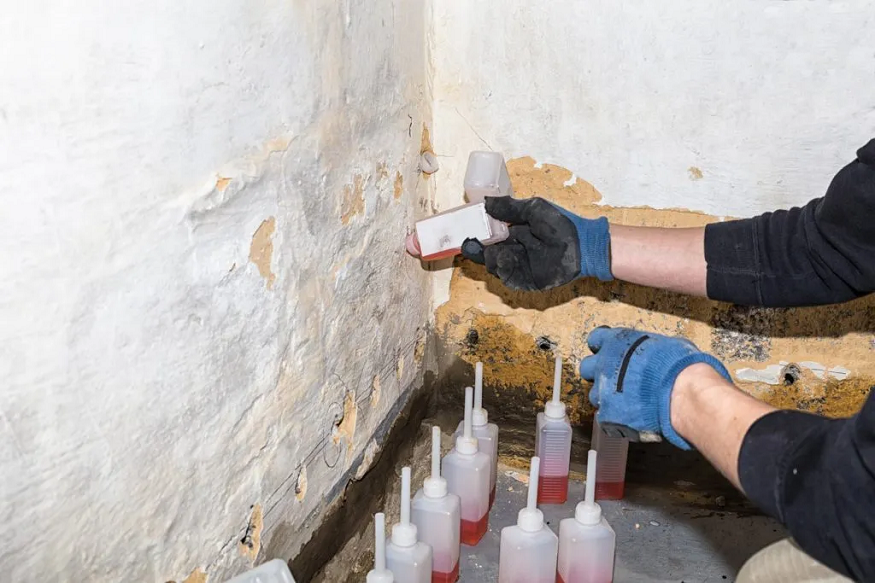
Crawl Spaces and Basements: These subterranean areas are typically cooler and often poorly ventilated, making them ideal mold habitats. Inspect the crawl space for standing water. If water intrusion is a chronic problem, consider installing a sump pump or implementing a vapor barrier—a large plastic sheeting that covers the soil—to block ground moisture from evaporating into the air within the space. Ensure all vents leading into the crawl space are functioning properly, or, in some cases, consider sealing and conditioning the crawl space for superior control.
Read More: Notable Benefits of a Heat Pump Water Heater for Industrial
Closets and Storage Areas: Closets built on exterior walls can be colder than the rest of the room, leading to condensation where clothes are pressed against the wall. During humid months, pull clothes slightly away from the exterior walls and ensure there is proper airflow within the closet. Do not store damp items, such as wet shoes or clothing, in these areas.
Appliances: Regularly inspect the lines and connections for all water-using appliances, including refrigerators, dishwashers, and washing machines. A slow leak behind an appliance can go undetected for weeks, causing significant mold growth in the wall or floor cavity before the water damage becomes visible.
Conclusion: A Proactive Winter Defense
For Sacramento homeowners, preparing for the rainy season must include a comprehensive mold prevention plan. This involves moving beyond reactive cleaning and embracing a proactive strategy of moisture management. By investing in tools like dehumidifiers, ensuring consistent ventilation, maintaining a sealed exterior envelope, and remaining vigilant about small leaks, homeowners can significantly control the internal environment. This diligent stewardship protects not only the structural integrity of the home but also the health of its occupants, ensuring that the long, wet winter is met with a dry, healthy, and mold-free interior.