Common Concrete Cutting Mistakes and How to Avoid Them on the Job
711 Views
Concrete cutting is a critical process in construction, civil works, and renovation projects. Whether you’re installing expansion joints, removing damaged slabs, or creating openings for utilities, precision is essential. For businesses offering Brisbane Concrete Cutting services, minimising errors not only safeguards projects but also enhances reputation and client satisfaction.
In this guide, we’ll explore the most frequent mistakes made on the job, why they happen, and practical strategies to avoid them. By adopting best practices, you can reduce rework, maintain project timelines, and ensure a professional finish.
Mistake 1: Ignoring Pre-Cut Planning
One of the most common errors in concrete cutting is insufficient planning before the first cut. Jumping straight into cutting without a clear strategy can lead to misaligned cuts, damaged surfaces, and inefficient workflows.
How to Avoid It:
- Conduct a thorough site assessment before starting. Identify obstacles, existing structures, and underground utilities.
- Confirm the type, thickness, and condition of the concrete.
- Mark cutting lines clearly and double-check measurements.
- Plan the sequence of cuts to minimise downtime and reduce the risk of intersecting cuts improperly.
Read More : Transform Your Bathroom: Innovative Shower Ideas for Every
Engaging professional services for Brisbane Concrete Cutting ensures pre-cut planning is executed meticulously, reducing errors from the outset.
Mistake 2: Using the Wrong Equipment
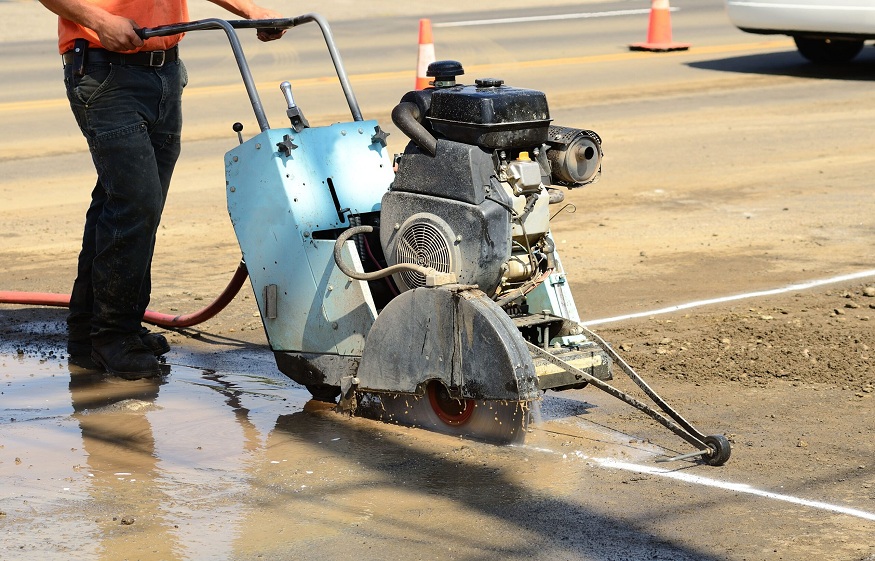
Concrete cutting requires specialised tools such as diamond saws, wall saws, wire saws, or core drills. Using the wrong blade type, size, or machine for the specific job can damage the concrete, overheat equipment, or compromise safety.
How to Avoid It:
- Match the cutting method to the concrete type and thickness. For instance, reinforced concrete requires diamond blades designed for steel-reinforced materials.
- Ensure equipment is well-maintained and suitable for the project’s scale.
- Use the correct cooling methods, such as water for wet cutting, to prevent overheating.
Selecting the appropriate tools not only improves cutting accuracy but also extends the lifespan of equipment and reduces operational delays.
Mistake 3: Skipping Utility Checks
A major risk during concrete cutting is striking underground utilities such as electrical cables, water pipes, or gas lines. Not verifying utility locations can lead to serious accidents, costly repairs, and regulatory violations.
How to Avoid It:
- Always check for underground services before cutting.
- Contact Dial Before You Dig services to identify known utility locations.
- Use professional scanning equipment to detect unmarked or private services.
Proactive utility checks are an essential step in any concrete cutting project and are particularly critical for urban areas where underground infrastructure is dense.
Mistake 4: Inadequate Dust and Debris Management
Concrete cutting generates significant dust and debris, which poses health hazards and can damage surrounding structures. Failing to control dust can lead to respiratory problems for workers and create a messy, unsafe work environment.
How to Avoid It:
- Use wet cutting methods whenever possible, as the water helps control dust.
- Set up barriers or screens around the work area to protect nearby surfaces and personnel.
- Ensure workers wear personal protective equipment (PPE), including masks, goggles, and gloves.
- Regularly clean the site to prevent accumulation of debris.
Proper dust management safeguards workers and improves efficiency, allowing projects to progress without unnecessary interruptions.
Mistake 5: Cutting Without Proper Alignment
Precision is critical in concrete cutting. Misaligned cuts can compromise structural integrity, create uneven surfaces, and require costly corrective work.
How to Avoid It:
- Use accurate marking tools and guides to ensure straight, level cuts.
- Employ laser levels or chalk lines for high-precision projects.
- Double-check measurements before starting each cut.
- Consider hiring experienced operators for critical cuts, particularly on structural slabs or decorative surfaces.
Correct alignment ensures that cuts are functional, safe, and visually appealing, whether the project involves driveways, patios, or industrial slabs.
Mistake 6: Overcutting or Under-Cutting
Cutting too deep or too shallow is a frequent problem, especially for those new to concrete cutting. Overcutting can weaken the slab, while under-cutting may necessitate additional work.
How to Avoid It:
- Understand the required cut depth based on project specifications.
- Use depth-controlled equipment or adjustable saws.
- Conduct trial cuts on less critical sections if unsure.
- Monitor blade wear, as dull blades may affect cut depth and quality.
By managing cut depth accurately, you protect the structural integrity of the concrete and prevent unnecessary delays or repairs.
Mistake 7: Neglecting Safety Protocols
Safety is paramount in concrete cutting. The combination of heavy machinery, dust, vibration, and sharp blades makes it a high-risk activity. Cutting corners on safety procedures can result in injuries or fatalities.
How to Avoid It:
- Train all personnel on safe operation of concrete cutting equipment.
- Enforce the use of PPE at all times.
- Set up exclusion zones around the cutting area to protect other workers.
- Regularly inspect tools, machinery, and safety equipment for faults.
A strong safety culture minimises accidents, ensures compliance with workplace regulations, and protects both workers and the project.
Mistake 8: Failing to Account for Material Properties
Concrete is not uniform; it varies in composition, density, and reinforcement. Failing to account for these properties can result in uneven cuts, equipment strain, or damage to the slab.
How to Avoid It:
- Assess the concrete type, age, and reinforcement before cutting.
- Choose blades and machinery suitable for the specific material.
- Adjust cutting speed and technique based on material hardness and thickness.
Understanding material properties ensures that cuts are efficient, precise, and safe.
Mistake 9: Rushing the Job
Concrete cutting is a task that demands patience and attention to detail. Rushing through cuts may seem like a time-saving strategy but often leads to mistakes, rework, and accidents.
How to Avoid It:
- Allocate sufficient time for each cut and phase of the project.
- Follow a step-by-step approach, ensuring each section is completed correctly before moving on.
A measured, methodical approach ensures quality results and keeps projects on schedule.
Mistake 10: Skipping Post-Cutting Inspection
Once cutting is complete, many teams overlook the importance of inspection. Without reviewing cuts for alignment, depth, and surface integrity, mistakes may go unnoticed until further work is underway, causing delays and additional costs.
Read More : Elevated Elegance: Modern and Minimalist Floating Shelf Ideas for Your Living Room
How to Avoid It:
- Inspect all cuts immediately after completion.
- Confirm dimensions, alignment, and depth against project specifications.
- Clean and prepare the cut areas for the next stage of the project.
Post-cut inspection ensures that the project remains on track, avoiding delays and costly corrections later.
Final Thoughts
Concrete cutting is a skilled task that requires planning, precision, and expertise. Avoiding common mistakes—such as inadequate planning, incorrect equipment, safety oversights, and poor alignment—can save time, money, and stress. For contractors and businesses in Brisbane, engaging experienced Brisbane Concrete Cutting professionals ensures that cuts are executed efficiently, accurately, and safely.