Maximizing Kitchen Efficiency: The Ultimate Guide to Commercial Range Hoods
401 Views
In the bustling world of commercial kitchens, efficiency, safety, and hygiene are paramount. Every detail, from the layout of the cooking stations to the appliances chosen, contributes to the overall performance of the kitchen. Among these essential components, one often overlooked yet critical piece of equipment is the commercial range hood. Far from being a mere accessory, a commercial range hood plays a crucial role in maintaining air quality, ensuring safety, and improving the overall cooking experience.
What is a Commercial Range Hood?
A commercial range hood is an exhaust system designed for professional kitchens. Unlike residential hoods, which primarily manage smoke and odors, commercial units are engineered to handle higher volumes of heat, grease, and particulates produced by professional cooking. They are typically installed above stoves, grills, or fryers and are equipped with powerful fans, grease filters, and sometimes fire suppression systems.
The main purpose of a commercial range hood is twofold: to remove airborne contaminants and to provide ventilation. Cooking in high-capacity kitchens generates significant heat, smoke, and moisture, which can negatively affect both staff performance and food quality. Without a commercial-grade hood, these contaminants would linger in the kitchen, creating an uncomfortable environment and even posing health risks.
Key Features of Commercial Range Hoods
When evaluating a commercial range hood, several features stand out as essential:
- High Suction Power: Commercial kitchens require hoods with high CFM (cubic feet per minute) ratings to efficiently remove smoke, steam, and odors. The more intensive the cooking, the more powerful the hood needs to be.
- Durable Construction: These hoods are typically constructed from stainless steel, which resists corrosion, is easy to clean, and maintains a professional aesthetic.
- Grease Filtration: Grease buildup can be hazardous, both in terms of fire risk and air quality. Most commercial hoods include baffle filters or mesh filters that trap grease while remaining easy to remove and clean.
- Noise Control: While performance is key, noise levels are also a consideration. Modern commercial range hoods are designed to balance powerful extraction with quieter operation, ensuring a comfortable kitchen environment.
- Fire Suppression Integration: Some high-end commercial hoods are compatible with automatic fire suppression systems, which can activate in case of a kitchen fire. This feature is critical for safety compliance in professional kitchens.
Read More: Elevated Elegance: Modern and Minimalist Floating Shelf Ideas for Your Living Room
Types of Commercial Range Hoods
Understanding the different types of commercial range hoods is essential for choosing the right model for your kitchen:
- Wall-Mounted Hoods
Wall-mounted hoods are fixed directly above cooking surfaces that are against a wall. They are ideal for kitchens with limited space and come in various sizes to accommodate different cooking appliances.
- Island Hoods
Island hoods are suspended over cooking surfaces located in the center of the kitchen. They are often larger and more powerful than wall-mounted models, as they need to ventilate from multiple sides. These hoods are popular in open-concept commercial kitchens where aesthetics and visibility are as important as performance.
Read More: Common Concrete Cutting Mistakes and How to Avoid Them on the Job
- Undermount Hoods
These hoods are installed under cabinets or other kitchen structures. They are more common in smaller kitchens or where space optimization is a priority. While less powerful than wall-mounted or island hoods, they are still capable of providing adequate ventilation for moderate commercial cooking operations.
- Custom Hoods
Some kitchens require hoods tailored to unique cooking setups or large-scale operations. Custom commercial range hoods can be designed to fit unusual spaces, accommodate multiple cooking surfaces, and meet specific airflow or filtration requirements.
Benefits of Installing a Commercial Range Hood
Installing a commercial range hood brings numerous advantages to any professional kitchen:
- Improved Air Quality
A commercial range hood removes smoke, steam, and airborne grease, keeping the kitchen air clean. This not only benefits staff but also protects delicate equipment from grease buildup.
- Enhanced Safety
By eliminating excessive heat and grease particles, commercial hoods reduce the risk of fires and slips. Many hoods include built-in fire suppression compatibility, providing an additional layer of safety.
- Regulatory Compliance
Health and safety regulations often mandate proper ventilation in commercial kitchens. Installing a compliant range hood ensures that your kitchen meets local codes and passes inspections without issue.
- Temperature Control
Heat from cooking equipment can make kitchens uncomfortable. Commercial hoods extract hot air, helping maintain a more stable, comfortable working temperature for staff.
- Energy Efficiency
Modern hoods often come with energy-saving features, such as variable-speed fans that adjust based on cooking activity. This reduces energy consumption while maintaining effective ventilation.
Installation Considerations
Installing a commercial range hood is not as simple as hanging it above the stove. Several factors must be considered:
- Airflow Requirements: Calculate the kitchen’s total ventilation needs to determine the appropriate CFM rating.
- Ducting: Proper duct design ensures efficient airflow and prevents grease buildup. Smooth, straight ducts are preferable to reduce resistance.
- Hood Size: The hood should extend beyond the edges of the cooking surface by at least 6 inches on all sides for optimal extraction.
- Local Codes: Compliance with fire, safety, and building codes is mandatory. Consult with local authorities or a professional installer before finalizing plans.
Maintenance Tips
A commercial range hood is only as effective as its maintenance allows. Here are some key tips to keep your hood operating at peak performance:
- Regular Filter Cleaning: Grease filters should be cleaned weekly, or more often in high-volume kitchens. Stainless steel filters can usually be soaked and scrubbed, while disposable filters need replacement.
- Fan and Duct Inspection: Periodically check fans and ducts for grease buildup, blockages, or wear. A clogged duct reduces efficiency and can increase fire risk.
- Surface Cleaning: Wipe down the hood exterior daily to prevent grease accumulation and maintain hygiene.
- Professional Servicing: Annual professional inspections can identify problems before they become serious, ensuring consistent performance.
Choosing the Right Commercial Range Hood
Selecting the best commercial range hood requires understanding both the kitchen’s needs and the range hood’s specifications. Key considerations include:
- Cooking Volume: High-output kitchens require more powerful hoods with larger filters and higher CFM ratings.
- Appliance Types: The type of cooking equipment—grills, fryers, ovens—affects hood choice. For instance, using appliances like the Ciarra Nosh Oven may demand hoods capable of handling increased heat and smoke.
- Kitchen Layout: Space constraints and placement of cooking surfaces influence whether a wall-mounted, island, or custom hood is appropriate.
- Budget: While high-end hoods offer advanced features, there are cost-effective models that provide excellent performance for smaller kitchens.
Advanced Features to Consider
Modern commercial range hoods include innovative features designed to improve efficiency and user experience:
- Variable-Speed Fans: Adjust fan speed automatically based on heat and smoke levels.
- LED Lighting: Bright, energy-efficient lighting illuminates cooking surfaces.
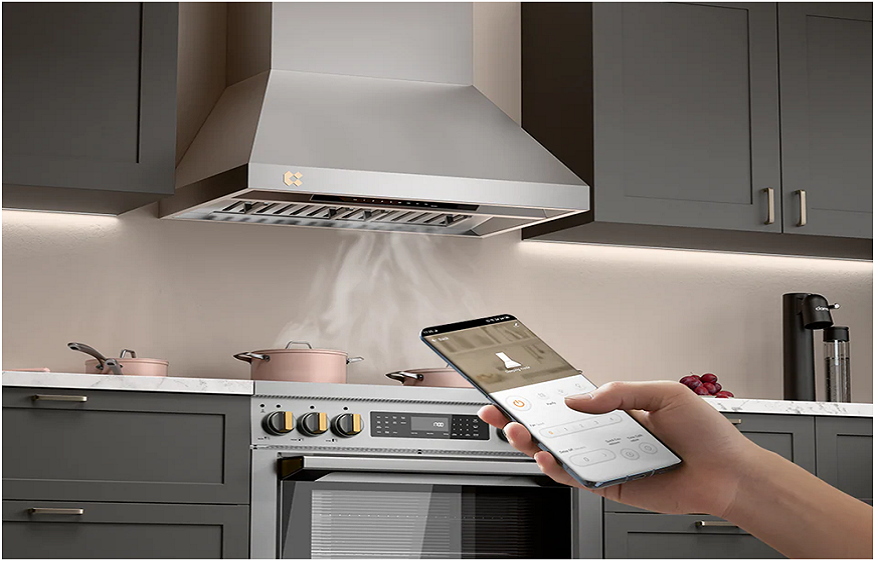
- Smart Sensors: Detect smoke, heat, or grease and adjust extraction rates automatically.
- Noise Reduction Technology: Minimizes fan noise without compromising performance.
- Energy Star Certification: Ensures energy-efficient operation, saving on electricity costs.
Conclusion
A commercial range hood is an indispensable component of any professional kitchen. It enhances air quality, improves safety, ensures regulatory compliance, and even contributes to staff comfort. With a wide variety of types, sizes, and features, selecting the right hood requires careful consideration of the kitchen’s needs, cooking volume, and appliance types.
Whether outfitting a new restaurant or upgrading an existing kitchen, investing in a high-quality commercial range hood pays dividends in efficiency, safety, and overall kitchen performance. From wall-mounted to custom-built solutions, there’s a hood designed for every professional cooking environment. And for kitchens that include appliances like the Ciarra Nosh Oven, a robust, well-ventilated system becomes even more essential, ensuring that every dish is cooked in an optimal environment and every chef can work comfortably and safely.
Ultimately, the right commercial range hood is more than just ventilation—it’s an investment in the longevity of your kitchen, the safety of your staff, and the satisfaction of your customers. Choosing wisely ensures that your kitchen runs smoothly, efficiently, and hygienically for years to come.