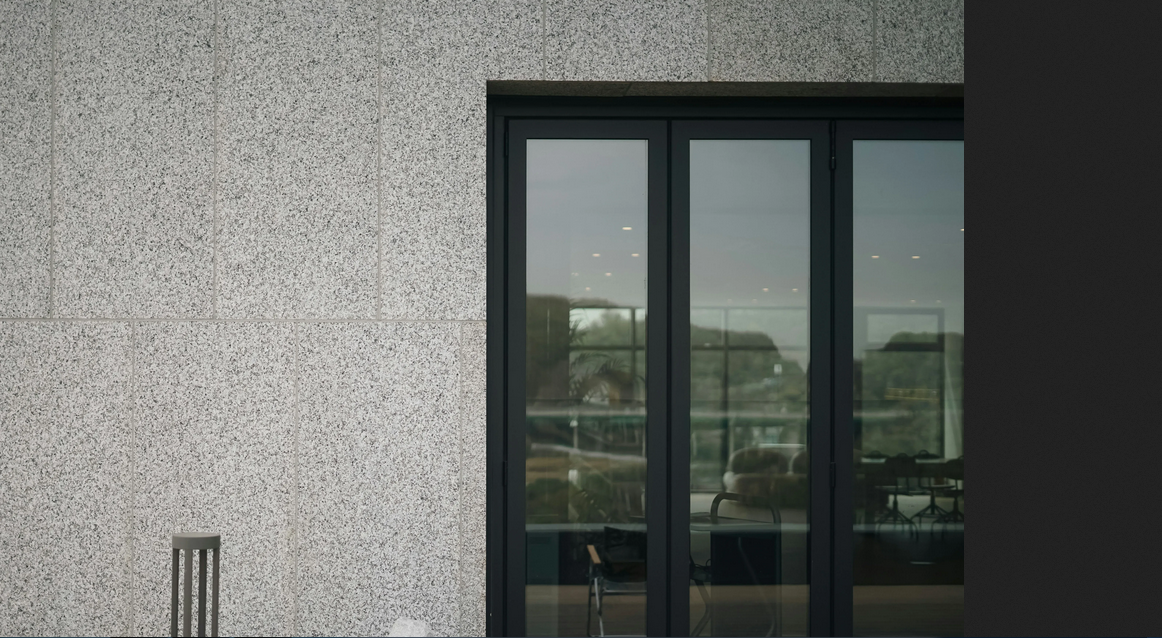
Why More Delhi Homeowners Are Switching to Aluminium Doors and Windows
100 Views
Walk through any new residential project in Delhi NCR today and you’ll notice a pattern — slim black or bronze frames, floor-to-ceiling glass, balconies that open right up into the living room. That’s aluminium doing its job. Aluminium Doors and Windows in Delhi have moved from “nice upgrade” to default choice for a simple reason: they hold up to this city’s weather and still look sharp doing it.
Whether you’re renovating a two-bedroom flat in Rohini or building an independent house in Chattarpur, aluminium framing adapts to almost any layout. It doesn’t force you into one aesthetic — you can go minimal and industrial or warm and traditional, and the frame will follow.
Why Aluminium Actually Makes Sense in Delhi
Delhi doesn’t make it easy on building materials. Summers hit 45°C, dust settles on every surface within a day, and the monsoon tests every seal in the house. Wood warps, steel needs constant upkeep, uPVC can look bulky on larger openings. Aluminium sidesteps most of these headaches.
It’s light but strong — a profile thin enough to disappear visually can still hold a large glass panel without bowing or sagging over time. That combination is exactly why architects keep specifying it for balconies, bedroom windows, kitchen openings, and full-height living room glazing alike.
Door Styles Worth Considering
The entrance door sets the tone for the whole house, so it’s worth spending time on.
Sliding doors are the obvious pick when you want to merge an indoor space with a balcony, terrace, or garden without eating into your floor plan. Since the panel glides along a track instead of swinging inward, you get the opening without losing usable space — genuinely useful in Delhi apartments where every square foot counts.
Hinged doors are the more familiar option, and they still work well for entrances, bedrooms, and utility areas. You can pair the aluminium frame with clear, tinted, or frosted glass depending on how much privacy the space needs.
French-style doors suit homeowners who want something a little more classic — the multiple glass panels give a traditional look without losing the clean lines aluminium is known for.
Folding or bi-fold doors are worth it when the opening is wide and you want to push the panels almost entirely out of the way. If your living room faces a lawn or a large terrace, this is usually the configuration that makes the biggest visual difference.
Choosing a Window Style
Windows do more heavy lifting than people give them credit for — ventilation, light, privacy, and the look of the façade all depend on getting this right.
- Sliding windows work well where you don’t have room for an outward or inward swing — bedrooms, kitchens, tight balconies.
- Casement windows open outward on hinges and generally give better airflow than a sliding design, which matters in rooms that don’t get much cross-ventilation.
- Fixed windows don’t open at all, but they’re worth using where the goal is simply light and view — often combined with an operable window nearby.
- Tilt-and-turn windows give you two opening positions in one frame, which is handy if you want flexibility without adding another window.
Finding the Right Manufacturer
Not all aluminium doors manufacturers deliver the same result, even when they’re quoting similar prices. The frame is only part of the equation — fabrication accuracy, hardware quality, glazing, and how well the installation team seals and drains the frame all decide whether the door still works smoothly five years from now.
Read More: Understanding the Importance of Professional Sewer Line Repair
This is also where the raw material source matters more than people realise. Established names like APL Apollo are known in the building materials space for consistent quality in metal profiles and structural products, and several regional fabricators source or benchmark against this kind of established supply chain when building their own aluminium systems. Asking a manufacturer where their base material comes from is a fair — and useful — question.
Before signing off with any of the aluminium doors and windows manufacturers in delhi, ask about:
- The specific profile system they’re using, and whether it’s suited to your application
- How precisely they cut, assemble, and align joints
- What hardware brand goes into the hinges, handles, locks, and rollers
- Which glass options they offer and how that affects light, privacy, and heat
- Their approach to sealing and water drainage
- Who’s actually doing the installation, and how experienced they are
- What their warranty covers, and for how long
Don’t let the first quote decide things. Two quotes that look similar on paper can represent very different products once you compare the fine print.
What a Good Supplier Actually Does
A solid aluminium door window Supplier doesn’t just hand you a catalogue and let you pick — they should ask about the room, the orientation, the use case, and recommend accordingly. A balcony probably wants a sliding system. A bedroom might do better with casement windows for ventilation. A bathroom needs something built around privacy and moisture more than anything else.
Read More: How Long Does Water Take to Boil? A Complete Guide to Boiling Time, Factors, and Tips
The architectural style of the building matters too. A compact, contemporary apartment usually suits slim minimalist profiles, while a larger independent home has room to mix fixed glazing, sliding doors, and a statement entrance.
So What Does an Aluminium Door Actually Cost?
Here’s the honest answer: there isn’t one number. Aluminium door average cost depends on a long list of variables, and any supplier who quotes you a flat rate without asking questions first is probably oversimplifying.
What actually moves the price:
- Door size
- The specific aluminium profile used
- Frame thickness
- Glass type and thickness
- Hardware quality
- Whether it’s sliding, hinged, or folding
- Number of panels
- Surface finish and customisation
- How complex the installation is
- How many units you’re ordering
- Site-specific conditions
A basic hinged door with standard glass will cost a fraction of a large customised sliding system with double glazing. Compare full specifications, not just price per square foot — that number alone tells you almost nothing. A proper quotation should spell out the frame system, glass spec, hardware, accessories, installation charges, taxes, and warranty terms clearly.
Inside an Aluminium Door Factory
Ever wondered what actually happens before your door shows up on-site? A well-run aluminium door factory follows a fairly disciplined sequence: measurement, profile cutting, machining, assembly, hardware fitting, glazing, and a final quality check before packaging.
Reputable manufacturers in this space often work with graded material from established producers — companies like APL Apollo have built a name in structural steel and metal building products, and that same emphasis on consistent, tested raw material is what separates a factory that turns out reliable doors from one that cuts corners on the profile itself. It sounds like a small detail, but the base material quality shows up years later in how well the door still moves.
It sounds straightforward, but precision matters at every stage — a joint that’s off by even a couple of millimeters can throw off alignment and make the door stick or rattle later. Measurements are taken on-site first, profiles are cut to match, corners are joined using the appropriate fabrication method, and hardware goes in last before the glass is fitted and everything gets tested for smooth movement.
The Frame Is Part of the Design, Not Just Function
A modern door frame isn’t just there to hold the panel — it’s a visible part of your interior. Slim aluminium framing gives a minimalist look, especially against large glass. Dark finishes create contrast against light walls; lighter or neutral tones blend in for a softer feel.
It’s worth coordinating door frames with window frames, flooring, and wall colours rather than treating each opening as a separate decision.
More Glass, More Light, More Space
This is probably the single biggest reason people switch to aluminium — it lets you put in more glass without a bulky frame getting in the way. More glass means more daylight, and daylight makes a room feel bigger than it actually is. In Delhi apartments where floor space is tight, that visual trick genuinely helps.
That said, glazing choice should follow the building’s orientation and the room’s actual needs — a west-facing window dealing with afternoon sun needs different glass than a shaded north-facing one.
Built for Delhi’s Weather — If Installed Right
Delhi throws a lot at building materials: intense sun, dust, and a monsoon that finds every weak seal. Aluminium itself resists moisture-related issues well, but the frame is only as good as the system around it — glass spec, weather seals, drainage, hardware, and installation quality all need to hold up together.
Get any one of those wrong and even good aluminium will underperform.
Keeping It Running Smoothly
The upside: aluminium doesn’t demand much upkeep. Wipe down frames regularly to clear dust, keep sliding tracks free of grit so panels glide properly, and check hardware periodically — hinges, rollers, and locks sometimes need adjustment depending on how often they’re used. Skip harsh chemical cleaners; they can dull the finish or damage the glazing over time. Stick to what the manufacturer recommends.
A Quick Checklist Before You Buy
- Measure the opening properly and figure out whether sliding, hinged, folding, fixed, or casement fits the space.
- Nail down the design — frame proportions, finish colour, glass type, hardware style.
- Pick glass based on need, not just looks — daylight, privacy, safety, and heat all factor in.
- Compare quotes on equal terms. A cheaper number usually means a different profile, glass, or hardware tier.
- Ask about the full process — measurement, fabrication, transport, installation, sealing, finishing.
- Read the warranty carefully before you commit to anything.
Worth the Investment
Delhi’s residential architecture is trending toward open layouts, more natural light, and a real connection between indoor and outdoor spaces — and aluminium fits that brief better than most alternatives. From a compact entrance door to a full-width balcony opening, it adapts to what the house actually needs.
If you’re researching Aluminium Doors and Windows in Delhi, don’t rush the comparison stage. Look past the quoted price, check whether the manufacturer works with quality-graded material — the kind associated with established names like APL Apollo — ask pointed questions about installation, and read the warranty terms properly. That extra bit of diligence upfront is usually what separates a door that still works flawlessly in five years from one that starts giving trouble in six months.
Frequently Asked Question
What is the average cost of aluminium doors and windows in Delhi?
It varies by size, profile, glass, hardware, and installation — there’s no fixed aluminium door average cost. Always compare full specifications, not just price per square foot.
Which is better for Delhi homes — sliding or casement aluminium windows?
Sliding suits tight spaces like bedrooms and balconies; casement gives better airflow. Most homes use a mix based on room needs.
How do I choose reliable aluminium doors and windows manufacturers in Delhi?
Check their profile quality, fabrication accuracy, hardware, glass options, and warranty terms — not just the quoted price.
Do aluminium doors and windows need a lot of maintenance?
Very little. Just wipe frames, clean sliding tracks, and check hardware occasionally. Avoid harsh cleaning chemicals.