
Smart Spaces and Smarter Strategy. The New Blueprint for Business Efficiency
Businesses are under increasing pressure to do more with less. Rising costs, dispersed teams, and evolving customer expectations mean that efficiency is no longer a competitive advantage – it is a baseline requirement. But efficiency today is not just about streamlining operations. It is about aligning space, technology, and strategy in a way that supports both productivity and purpose. Enter the era of smart spaces.
A smart workspace is not defined by the amount of tech it holds. Rather, it is about how that technology is used to support the people within it. Smart spaces are intuitive, responsive, and flexible. They anticipate needs and adapt in real time. And when paired with a clear strategy, they become a powerful foundation for long-term success.
Designing for Intentional Use
Traditional office environments were often rigid. Desks were fixed, rooms were assigned, and technology was siloed. Smart spaces reject this model. They are designed for adaptability. Modular furniture, shared zones, and integrated systems allow teams to move, connect, and collaborate with ease.
The design of a smart space begins with a simple question – what is this space meant to do? The answer might be to support deep focus, foster creative exchange, or host clients in a branded environment. Once the purpose is clear, the layout, technology, and ambience can be tailored to support it.
Intentional design cuts down on wasted time and confusion. It also reduces friction in day-to-day tasks. When people know where to go and how to use their environment, they can focus on the work that matters.
Technology That Serves, Not Distracts
A key feature of smart spaces is embedded technology. But not all tech is created equal. In a well-designed workspace, technology is seamless. It supports workflow without becoming a source of distraction or frustration.
This might include automated booking systems for meeting rooms, voice-controlled lighting, or collaborative tools that connect in-person and remote participants. Sensors can monitor room usage, optimise energy consumption, and even adjust ventilation based on occupancy.
The most effective tools are those that remove friction. For instance, a shared screen that automatically recognises a presenter and adjusts the setup accordingly saves minutes in every meeting. Multiply that by dozens of sessions a week and the time savings become significant.
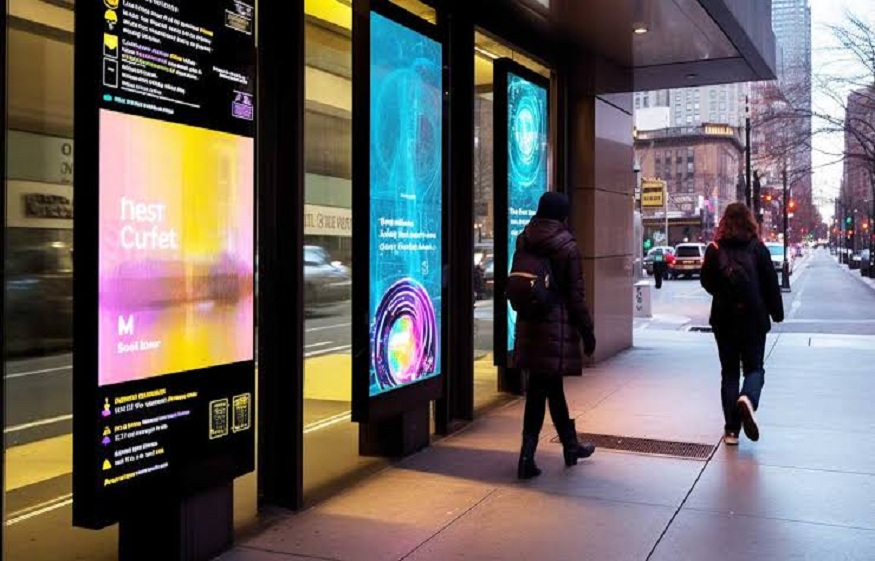
In this context, digital signage also plays a vital role. Beyond displaying announcements or performance data, digital signage acts as a dynamic communication platform. It can share real-time updates, reinforce brand messages, and ensure that information reaches the right people at the right time. Its presence across multiple touchpoints ensures consistent visual engagement, whether in reception areas, breakout zones, or team hubs.
Read More: How Long Does Water Take to Boil? A Complete Guide to Boiling Time, Factors, and Tips
The Link Between Smart Spaces and Smarter Strategy
Smart spaces are not just about convenience. They support broader business strategy. By aligning space with objectives, companies can drive performance, reduce costs, and enhance employee experience.
Take hybrid working as an example. Organisations that have embraced flexible models often struggle with underused real estate or lack of cohesion between remote and in-office teams. Smart spaces solve this by using data to inform space allocation, creating zones that support hybrid collaboration, and ensuring that technology connects everyone, regardless of location.
This alignment also extends to sustainability. Energy-efficient systems, reduced travel through virtual meetings, and smarter use of space all contribute to lower environmental impact. These efforts are not only good for the planet but also resonate with investors and employees who value responsible practices.
Branding from the Inside Out
In many businesses, branding is treated as an external function. It is about how the company appears to customers and partners. But in smart workplaces, branding becomes part of the internal experience. It is visible, felt, and reinforced through the environment itself.
A branded space is not just about logos on walls or matching colour palettes. It is about embodying the values, culture, and promise of the organisation in every detail. From the tone of internal messaging to the design of digital displays, everything should reflect what the company stands for.
Smart spaces enable this through flexible content and design features. Digital displays in open areas can showcase customer stories, highlight employee achievements, or share mission-driven goals. Interactive elements allow staff and visitors to engage with brand content in a more meaningful way.
This kind of immersive branding strengthens culture and reinforces purpose. It helps align teams with the company vision and fosters a stronger emotional connection to the workplace.
Read More: Understanding the Importance of Professional Sewer Line Repair
Efficiency Through Empowerment
One of the most overlooked benefits of smart environments is how they empower individuals. When employees can access the tools they need without barriers, they feel trusted and capable. This sense of autonomy improves satisfaction, reduces bottlenecks, and leads to better outcomes.
Self-service check-in stations, responsive wayfinding systems, and intuitive collaboration hubs all support this autonomy. Rather than relying on IT teams or office managers for simple requests, employees can manage their work environment independently.
The result is not just a more efficient office. It is a more confident workforce. People are more likely to take initiative, solve problems, and contribute ideas when they feel equipped and supported.
Rethinking Metrics of Success
Historically, workplace efficiency was measured in square footage, desk usage, or output per hour. Today, the metrics are more nuanced. Engagement, adaptability, energy use, and experience quality all play a role.
Smart environments provide the data to support these insights. Heatmaps, usage patterns, and system feedback allow organisations to see what is working and what needs adjustment. This continuous loop of observation and optimisation is what sets smart strategies apart.
The workplace becomes a living system – one that evolves with the needs of its users and the goals of the business.
Looking Ahead
The future of business efficiency will not be driven by cost-cutting alone. It will come from smarter strategies, powered by smarter spaces. Environments that are dynamic, responsive, and deeply aligned with the organisation’s mission will outperform those built around static rules and outdated norms.
Efficiency is no longer just about doing things faster. It is about doing them better – with purpose, clarity, and cohesion. It is about creating workplaces where technology, people, and strategy move in sync.
By embracing this new blueprint, companies can unlock the full potential of their teams, reduce waste, and build resilience for whatever comes next.
For wider commercial, hospitality, or public-facing projects, small supporting details can make the finished space feel more complete. Composite decking can provide a durable, low-maintenance surface for terraces, entrances, outdoor seating areas, and customer-facing spaces; while hand dryers can support cleaner, more efficient washroom facilities; while traditional signage can add character, direction, and brand presence.